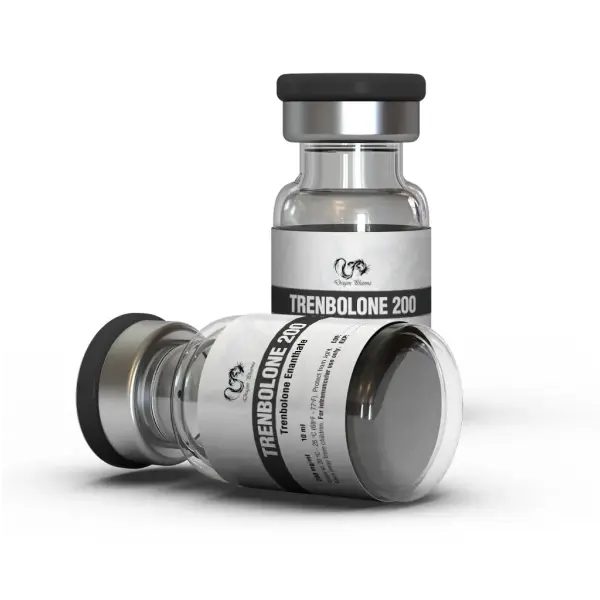
Understanding Trenbolone: An Insight into This Powerful Anabolic Steroid
Trenbolone is a potent anabolic steroid that has gained significant attention in both the bodybuilding community and the veterinary world. Known for its remarkable ability to enhance muscle growth and improve performance, it’s essential to understand what trenbolone is, the origins of its name, and the different types available. This article aims to provide a comprehensive overview of trenbolone, while ensuring clarity and engagement throughout.
What Is Trenbolone?
Trenbolone is a synthetic anabolic steroid derived from nandrolone, another well-known steroid. Originally developed for veterinary use, trenbolone is primarily used to promote muscle growth in livestock. Its powerful properties make it attractive to bodybuilders and athletes, as it significantly increases muscle mass, strength, and endurance. The effects of trenbolone are often described as being more pronounced than those of testosterone, with users reporting impressive gains in lean muscle tissue.
Unlike many anabolic steroids that are taken orally, trenbolone is typically administered via intramuscular injection. This allows for a more stable release of the hormone into the bloodstream, leading to prolonged effects and enhanced muscle-building capabilities. It’s important to note, however, that the use of trenbolone carries significant risks and potential side effects, making it crucial for users to approach it with caution.
The Origin of the Name “Trenbolone”
The name “trenbolone” is derived from its chemical structure and the historical context of its development. The prefix “tren” refers to the trenbolone’s origin as a derivative of nandrolone, while “bolone” is a nod to its classification as an anabolic steroid. The steroid was first synthesized in the late 1960s and was initially branded as Parabolan when it became available for clinical use.
The unique properties of trenbolone quickly made it popular among veterinarians for muscle enhancement in livestock, particularly in cattle. By optimizing muscle growth and feed efficiency, trenbolone helped farmers increase their meat production. Over time, its powerful anabolic effects led to its misuse among athletes and bodybuilders who sought similar benefits for their physiques.
Types of Trenbolone
There are several types of trenbolone, each with distinct characteristics that appeal to various users. The most common forms include:
- Trenbolone Acetate: This is one of the most popular forms due to its fast-acting nature. With a short half-life, trenbolone acetate allows for quick adjustments in dosages and frequency of administration. Users appreciate its rapid onset of results, usually experiencing noticeable changes within weeks.
- Trenbolone Enanthate: This variant has a longer half-life compared to acetate, providing more extended effects for users who prefer less frequent injections. Trenbolone enanthate is known for its sustained release, making it a favored option for those looking to maintain consistent blood levels of the steroid.
- Trenbolone Hexahydrobenzylcarbonate: Often referred to as “Cyclohexylmethylcarbonate,” this form combines the attributes of both acetate and enanthate. It offers a moderate release profile, appealing to users who want a balance between frequency and potency.
- Trenbolone Undecylenate: This version of trenbolone is less commonly used but provides an even longer duration of action than enanthate. It is ideal for individuals looking for minimal injection frequency while still maximizing muscle-building potential.
Each type of trenbolone varies slightly in terms of pharmacokinetics and user experience, allowing individuals to choose the one that best suits their needs and goals.
The Risks and Considerations of Using Trenbolone
While trenbolone offers impressive benefits, it is essential to approach its use with caution. Anabolic steroids can lead to a range of side effects, including hormonal imbalances, liver toxicity, cardiovascular issues, and psychological effects like aggression and mood swings. Additionally, trenbolone is not approved for human use by regulatory agencies such as the FDA, which raises ethical and health concerns regarding its consumption.
Users should be well-informed and conduct thorough research before considering trenbolone or any anabolic steroid. Consulting with a healthcare professional is always advisable to understand the implications fully.
Conclusion
In summary, trenbolone is a powerful anabolic steroid that has carved a niche in bodybuilding and veterinary medicine. Its name reflects its chemical origins, and with several types available, users have options suited to their preferences. However, the potential risks associated with trenbolone usage underscore the importance of careful consideration and responsible practices. While it may offer substantial rewards in muscle growth and physique enhancement, users must weigh these against their health and safety. Educating oneself on trenbolone and understanding its impact can help in making informed choices in the pursuit of fitness goals.
============================
We do not promote the use of anabolic steroids without a doctor’s prescription. The information we share is for entertainment purposes only.
THIS IS NOT MEDICAL, LEGAL OR ANY OTHER TYPE OF ADVICE. SIDE EFFECTS ARE UNKNOWN SO THEREFORE DEATH AND SERIOUS BODILY INJURY MAY OCCUR. ONLY USE DRUGS, SUPPLEMENTS, OR EXERCISE UNDER YOUR DOCTORS DIRECTION.
Keep in mind that steroids are not magic and in order to get results user must train correct and hard, eat clean and keep right balance of carbs, protein and fats.
Once per year bloodwork must be done in order to see what is going on inside your body and to keep an eye on health status.
The guys who stay all year round on gear with no breaks are not wise.
============================